470 Columbus Ave. – UWS
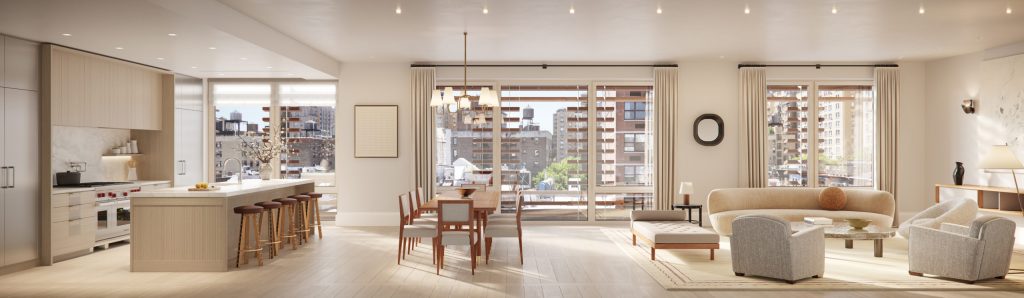
Charlotte is rooted in revolutionary sustainable architecture, with focus in holistic wellness. Designed to improve residents’ wellbeing and comfort, these homes are equally good for the environment and the people who live in them. This Passive House standard is closely aligned with Altuve’s own approach to construction. Charlotte positively reshapes and enhance conventional NYC construction methods.
Achieving Passive House certification demanded robust insulation and airtight wall assemblies that eliminated any potential air leaks, in order to deliver rooms that stay consistently quiet, comfortable, and remarkably efficient year round. Museum-quality glazing brings in maximum daylight and views while buffering dust and street noise, with windows up to four times more energy-efficient than standard residential glass. The result is a constant indoor temperature, panes that stay warm to the touch on the coldest winter days and cool through summer’s peak, and a building envelope engineered as much for performance as for comfort.
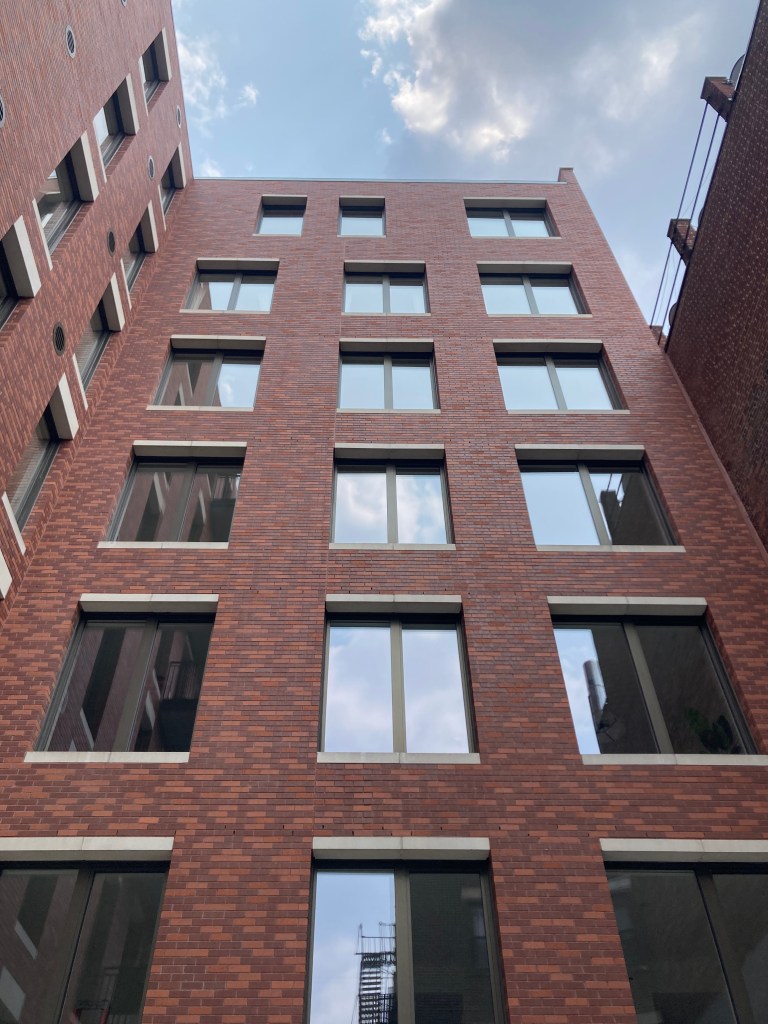
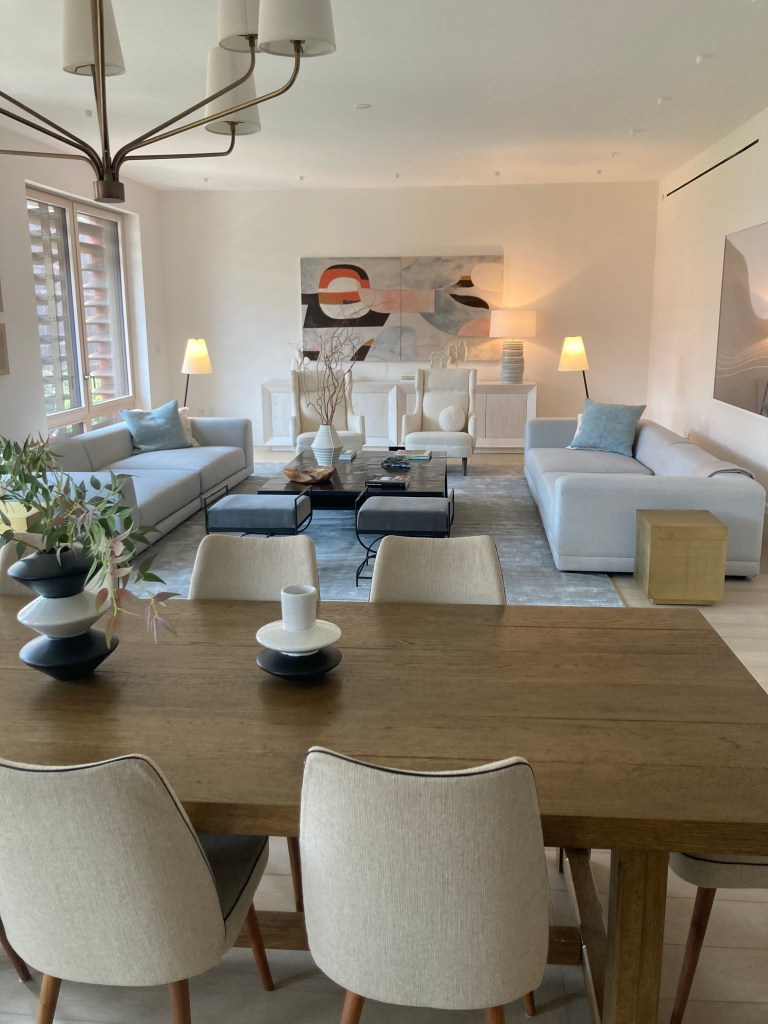
Most buildings run indoor air up to ten times worse than what’s outside, and poor air quality is linked to disrupted sleep, low energy, and more frequent colds. At Charlotte, every residence has its own high performance ventilation system with separate ducts, rather than the single shared system most new buildings rely on, meaning the air in your home isn’t tied to what’s happening next door. This is the part of Altuve’s job I take personally. Budgets and timelines can easily pull focus from the people who’ll actually live in a space, but at Charlotte, every decision, from ventilation to wall assembly to insulation, was made with residents in mind first. Good construction isn’t just about how a building looks; it’s about whether the people inside it sleep better, breathe easier, and feel genuinely well. That’s the standard I hold myself to on every project.
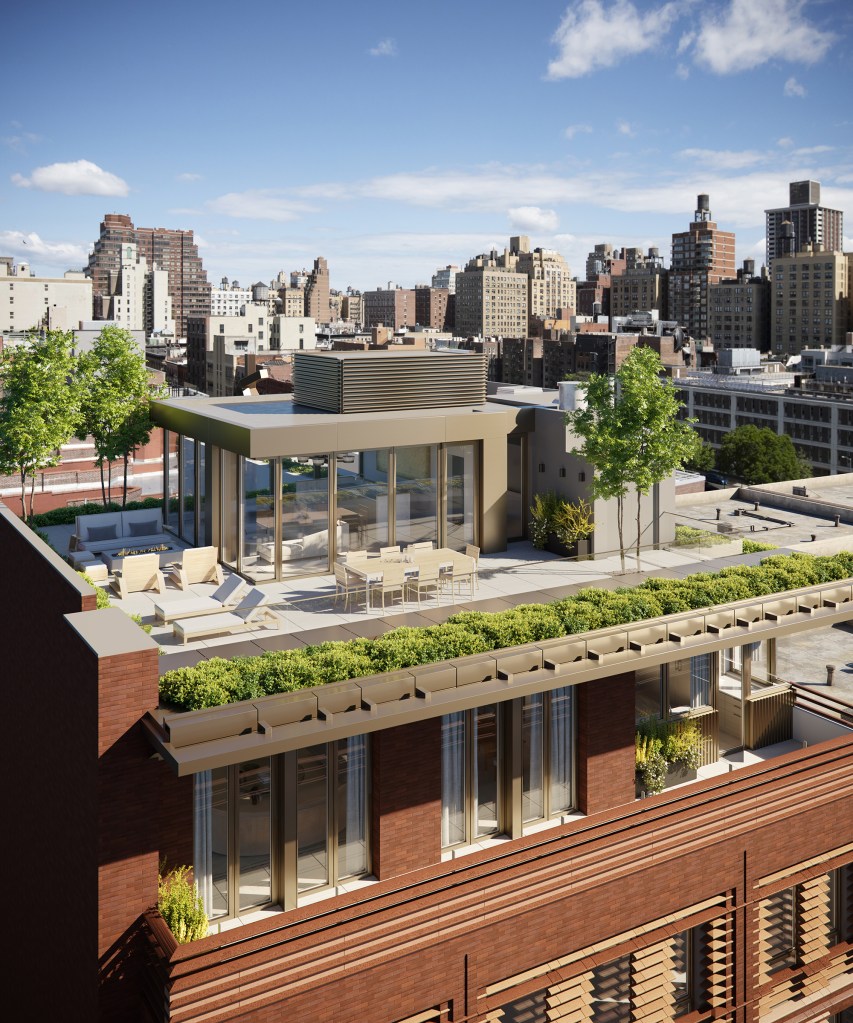
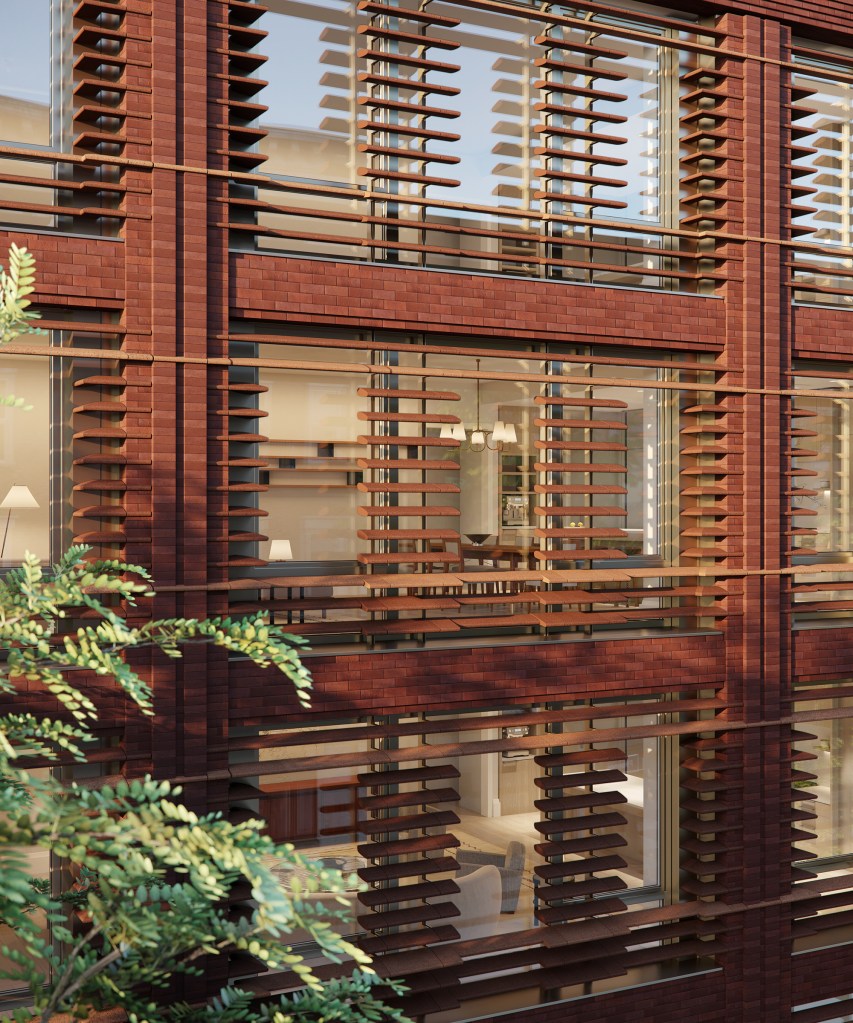
A terra-cotta louver system on the Columbus Avenue facade does more than shape the building’s look, it does real work. The custom baguette-shaped louvers are angled to respond to the sun’s position throughout the year: in summer, they deflect the sharp heat of high-angled rays while still letting daylight into the kitchen, living, and dining space; in winter, when the sun sits lower, light and warmth pass freely between the louvers into the room. It’s a simple, passive strategy that reduces the need for mechanical heating and cooling, which is exactly the kind of thinking I value in construction. Energy efficiency shouldn’t come at the cost of comfort. When a building is designed to work with natural conditions instead of against them, residents get consistent light, consistent temperature, and lower energy demand, without ever thinking about the system behind it. That’s what quality of life looks like when the engineering is done right.
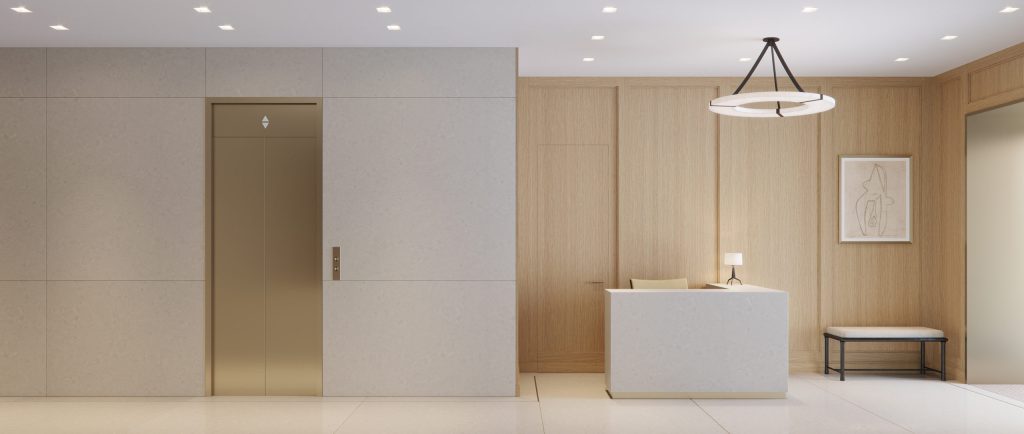
Every material choice at Charlotte was made with intention. All wood flooring, doors, window frames, trims, and millwork, including the custom Henrybuilt kitchens and bathroom vanities, is certified by the Forest Stewardship Council (FSC), meeting global standards for environmentally and socially responsible forest management. That certification isn’t a checkbox to me, it’s proof that the wood in your home didn’t come at the expense of the forests it came from. Sourcing responsibly takes more coordination and more scrutiny at every stage of construction, but it’s worth it. Quality materials should hold up to more than one kind of standard: how they look, how they perform, and how they were made. That’s the level of accountability I bring to every project I manage.
Non-toxic interior materials and finishes are a direct extension of Altuve’s wellness and biophilic mindset, the belief that a home should support the people living in it, not quietly work against them. By reducing or eliminating the off-gassing of volatile organic compounds, or VOCs, throughout the residences, indoor air quality improves substantially. VOCs are linked to allergies, irritation of the ears, nose, and throat, headaches, and in higher exposure, damage to the kidneys, liver, and central nervous system, risks most residents never think to ask about. Choosing non-toxic materials means the air someone breathes at home is working in their favor, day after day, in ways they may never notice but will always feel.